As an Amazon Associate, we earn from qualifying purchases. Some links on this site are affiliate links at no extra cost to you. Our recommendations are based on thorough research and editorial judgment.

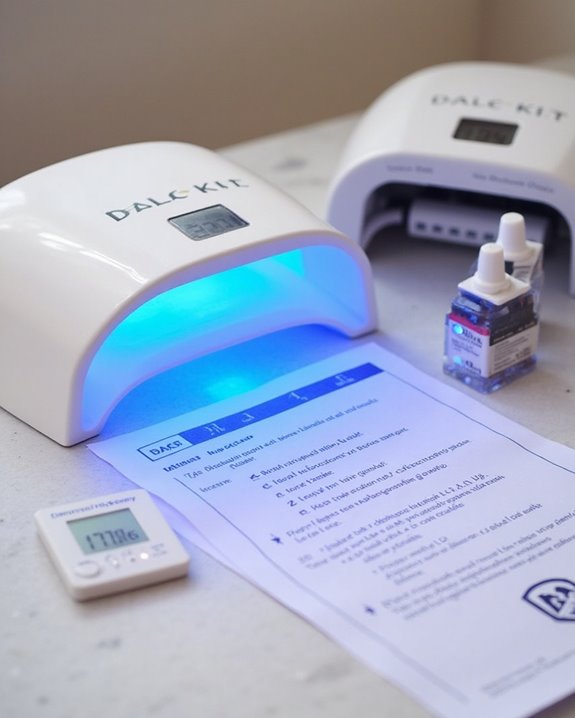
5 Reasons LED Nail Lamps Are Safer Than UV Lamps

LED nail lamps offer five significant safety advantages over traditional UV lamps. They emit targeted wavelengths (365-405nm) that efficiently activate gel polish with less radiation, cure in 30-60 seconds (half the time of UV lamps), consume less energy while lasting 50,000 hours (versus 4,000 for UV bulbs), maintain consistent performance throughout their lifespan, and produce lower overall radiation output. These improvements minimize potential skin damage risks while delivering effective results. The technical differences between these technologies reveal why salon professionals increasingly recommend LED options.
Key Takeaways
- LED nail lamps emit a narrower wavelength spectrum (365-405 nanometers) targeting only necessary photo-initiators in gel polish.
- Faster curing times of 30-60 seconds with LED technology reduce overall UV radiation exposure compared to 90-120 seconds with UV lamps.
- LED bulbs last approximately 50,000 hours versus 4,000 hours for UV bulbs, maintaining consistent performance throughout their lifespan.
- LED technology delivers lower overall radiation output while still effectively curing gel polish formulations.
- Energy-efficient LED design requires less power consumption while providing more focused curing capability than traditional UV lamps.
LED Lamps Deliver More Targeted Wavelengths of Light
When comparing nail lamp technologies, LED systems clearly deliver more targeted wavelengths of light that make them safer alternatives to traditional UV lamps. I’ve found that LED lamps emit a narrower spectrum, typically in the 365-405 nanometer range, which precisely activates the photo-initiators in gel polish without broadcasting unnecessary UV radiation. This targeted light approach means your skin receives less overall UV exposure during the curing process.
Unlike conventional UV lamps that scatter broader wavelengths, LED technology concentrates light energy exactly where it’s needed, reducing potential skin damage while still effectively curing your manicure. The precision of LED wavelengths also explains why they cure gel polish in just 30-60 seconds, compared to the longer exposure times required by UV lamps. This efficiency isn’t just convenient—it’s a significant safety advantage, limiting cumulative UV radiation exposure with each salon visit.
Recommended Products

The Choice of 5 Million Professionals: SUNUV specializes in UV LED salon graded nail dryers, a brand trusted by over 5 million professionals and salons globally for its premium quality and ease of use

Quick Drying & Auto Sensor: SUNUV SUN9C nail dryer with UV+LED dual light source shortens curing time and cures all gels in 60s. Automatic sensor: no need to press any keys; works for 99s. Ideal for home and salon use, manicure and pedicure

Salon Quality UV Nail Lamp: SUNUV UV light for nails SUNone with 30 high-power UV LED beads is designed to cure all gel polishes in half the time
Shorter Curing Times Mean Less UV Exposure
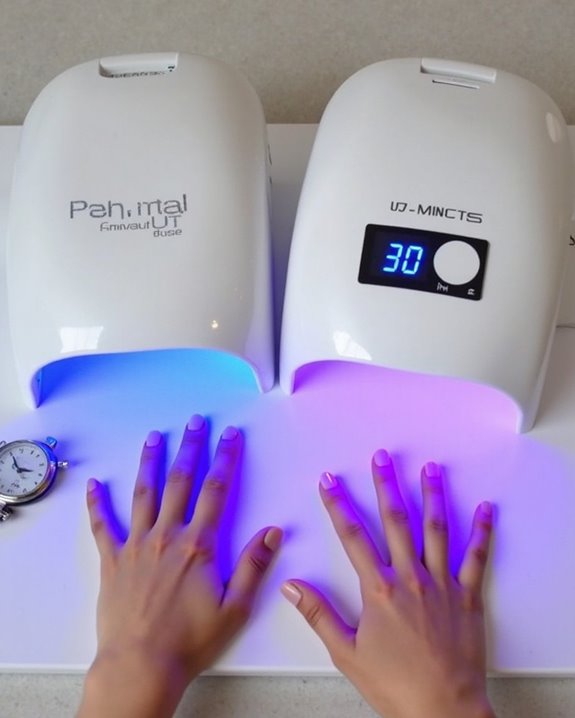
Because LED lamps complete the curing process in just 30-60 seconds, they greatly reduce the total UV exposure your skin receives during a manicure session. This is substantially faster than UV nail lamps, which typically require 90-120 seconds to cure gel polish, effectively doubling your radiation exposure during each gel manicure.
I’ve found that this time difference matters tremendously for your skin health. When comparing UV and LED lamps, the shorter curing time of LED technology means your hands experience only half the UV exposure of traditional methods. This reduced duration is comparable to brief everyday sun exposure rather than the extended sessions under UV nail lamps. By curing polish faster, LED nail lamps minimize the cumulative radiation dose your skin absorbs over multiple manicure appointments, making them a particularly safer option.
Recommended Products
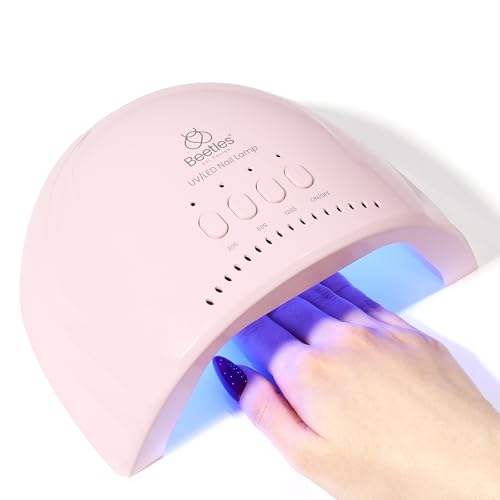
Fast & Even Curing with 30 High-Power LEDs: Scientifically arranged LED beads ensure full coverage with no dead spots for a perfectly cured. UV & LED dual light for long-lasting manicure.

CURE ALL GELS – Professional 72W UV Nail lamp fast cure all gel nail polishes, base coat, top coat, color gel, hard gels, builder, acrylic, sculpture gel, gem glue etc. (not for regular nail polish) No bottom plate, suit for curing toenails.

【320W High-Powered Quick Drying:】 Featuring UV and LED dual light sources, significantly speeding up the drying process. With an 320W output and 72 long-lasting light beads, it reduces average curing time by 70%. This lamp is specifically designed for UV-curable gel nail polishes and is not suitable for traditional air-dry nail polish.
LED Technology Provides Better Energy Efficiency
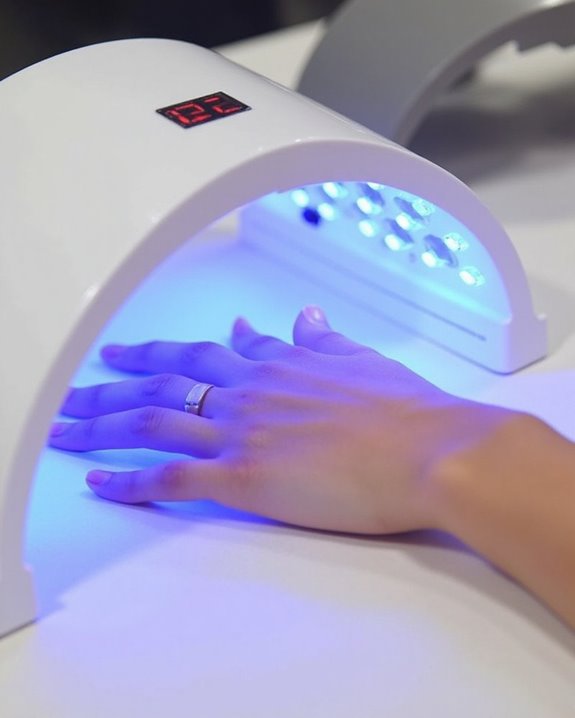
Beyond safety benefits, LED nail lamps offer impressive energy efficiency advantages compared to their UV counterparts. When using LED technology to cure polish, I’m always impressed by how LED lamps emit targeted wavelengths that require substantially less energy compared to UV lamps, which draw more power for broader spectrum emission. LED bulbs last approximately 50,000 hours, while traditional UV bulbs typically need replacement after just 4,000 hours, reducing waste from frequent replacements. Additionally, wattage and bulb quality play crucial roles in ensuring optimal energy use and curing performance. The energy-efficient design of LED light systems allows for faster curing times—typically 30-60 seconds per layer—minimizing total energy consumption during each manicure session. For salon owners and home users alike, this efficiency translates to lower electricity costs over time. The combination of bulbs that last longer and reduced power requirements makes UV and LED nail technology comparison heavily favor LED options for environmental and economic reasons.
Recommended Products

[48W Power 24pcs Durable light Beads] Featured with 24pcs Light beads and 48W power. Our UV LED nail lamp protects your skin from getting sun burnt and does no harm to your eyes. With 24pcs UV Nail Lamp beads full cover, 180 degree all round baking gule
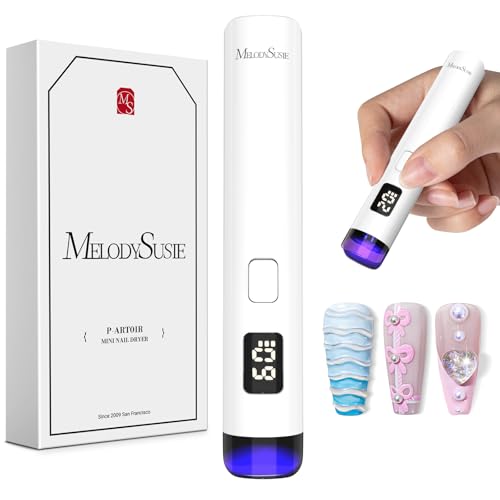
- FROM MELODYSUSIE RECHARGEABLE SINGLE-FINGER NAIL LAMP COLLECTION: This 3W P-ART01R UV LED Cordless Handheld Nail Lamp features a unique transparent protective cover that safeguards the lens while ensuring retinas are shielded from strong UV light. The unique spotlight design can ensure its extended durability and powerful performance. Its size is small enough to slip into any bag, pouch, or even pocket, which makes it a perfect partner for flawless nail experiences anytime and anywhere.

Durability Metts Dependability: Our LED UV Gel Light for Nails has an astonishing 50,000 hours of LED and UV bulb life. Backed by a 1-year warranty and our unwavering customer support for nail perfection. Unleash your inner beauty
Longer Bulb Lifespan Ensures Consistent Performance
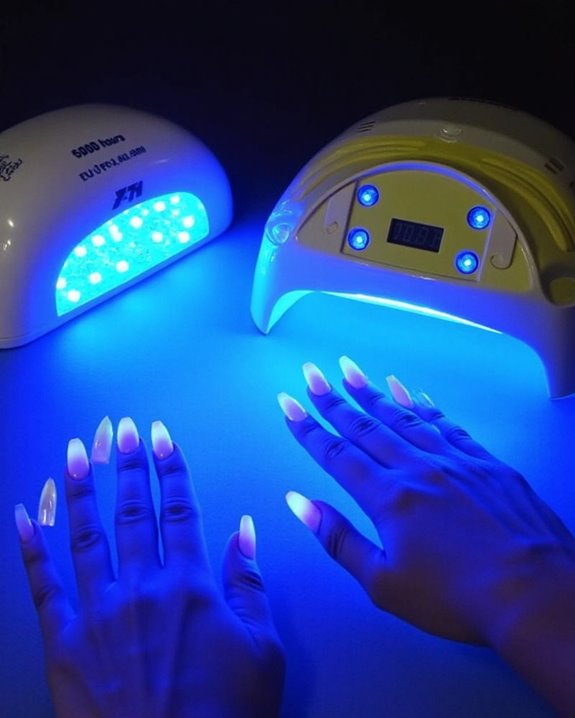
The remarkable longevity of LED bulbs represents one of their most significant advantages over traditional UV counterparts in nail lamp technology. When comparing UV vs LED curing lamps, the difference between the two is striking—LED bulbs last up to 50,000 hours, while standard UV light bulbs need replacement after just 4,000 hours. This extended lifespan matters tremendously for the type of lamp you select for nail treatments.
While both types of lamps contain UV and are used to cure gel products, the amount of UV exposure can fluctuate as bulbs degrade. With traditional lamps requiring replacement every six months, performance becomes inconsistent. I’ve found that LED curing lamps maintain steady radiation levels throughout their lifespan, eliminating the unpredictable exposure patterns that can occur with aging UV bulbs.
Recommended Products

【Free Operating Space】Beetles uv light for nails is easy to use and has free operating space. It can be used to extend nails more quickly and easily with nail tips and UV gel. Whether you are a beginner nails lover or a professional manicurist, you can easily extend your nails and enjoy the fun of DIY nails. (Please note that the package does not include a plug and the USB cable is 47 inches long.)

Flash Cure in 10s for Press-On & Gel X Nails: Mini UV nail lamp with 10 dual UV+LED beads delivers fast, targeted curing - 10s flash cure for press-on nails & false nail tips, 60s for gel nail polish, and 120s for extension gels. With a curing intensity of 30mW/cm² and a 365–635nm UV+LED wavelength, it works with most gel polish brands. Perfect for Gel X, nail tips, rhinestone glue, and detailed nail art. Rechargeable design with USB charging makes it ideal for home DIY and travel use

The Professional Nail Lamp and Drying Almost All Nail Gel: including led gels, hard gels, sculpture gel, gem gel etc..
The Science Behind LED’s Reduced Radiation Output
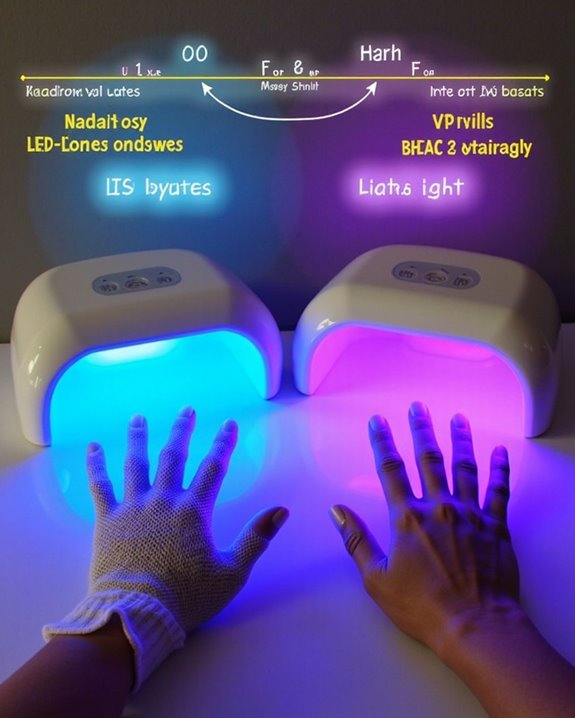
Scientific evidence regarding LED nail lamps demonstrates why they’re considered the safer alternative for gel nail treatments compared to traditional UV lamps. Unlike tanning beds which emit ultraviolet radiation at concerning levels, LED lamps produce considerably narrower wavelengths specifically targeting the photo-initiators in UV gel formulations. I’ve reviewed studies where professors of dermatology have deemed safe these devices based on their substantially lower energy output—often producing a fraction of the radiation compared to conventional lamps used in the nail salon setting. Additionally, the wavelengths emitted by LED lamps are optimized to activate gel polishes efficiently while minimizing unnecessary exposure to harmful rays. Board-certified dermatologists confirm that the concentrated, efficient light from LED diodes allows for faster curing of gel nail polishes while minimizing unnecessary radiation exposure. This technical advancement represents a significant improvement in the beauty industry, reducing potential skin cancer risks while maintaining the effectiveness that professionals demand.
Recommended Products

The Choice of 5 Million Professionals: SUNUV specializes in premium uv led nail lamp technology. We are a salon-graded brand trusted by over 5 million professionals and...
Frequently Asked Questions
Is a LED Nail Lamp Safer Than UV?
Yes, I’d say LED nail lamps are safer with lower UV exposure and reduced skin damage risks. They offer better user safety, less heat emission, and favorable health effects for long-term use. Still, eye protection is recommended.
Why Do My Nails Hurt Under a LED Lamp?
Your nail pain under LED lamps is likely due to heat sensitivity during rapid curing. I’ve found application errors or cure discomfort can trigger LED irritation. Try pain prevention methods like hand cloths to minimize skin reactions.
Which Is Better, UV LED or UV C LED?
I’d recommend UV/LED over UV-C LED for nails. The wavelength differences matter – UV/LED offers better efficiency, versatility, and safety. UV-C’s technological innovation is great for sanitizing, but excessive for nail application and consumes more energy.
What Is the Difference Between LED and UV Lights in Milady?
Did you know LED bulbs last 12 times longer than UV lights? In Milady’s context, I’ve found wavelength differences, efficiency contrast, and cure speed are key distinctions. LED’s focused spectrum varies markedly from UV’s broader emission types.