As an Amazon Associate, we earn from qualifying purchases. Some links on this site are affiliate links at no extra cost to you. Our recommendations are based on thorough research and editorial judgment.

How Do You Cut Your Dog’S Nails With Human Nail Clippers?

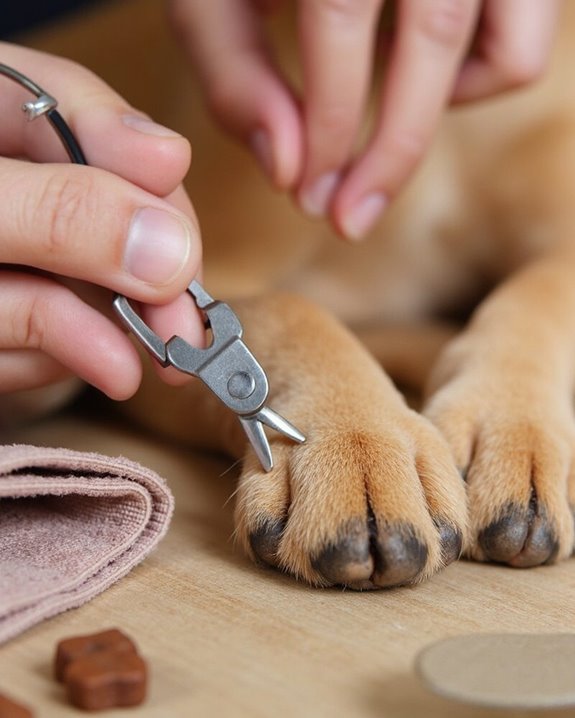
Human nail clippers can work for dogs under 10 pounds, but aren’t ideal for larger breeds. I recommend using sharp, good-condition clippers to avoid crushing or splitting the nail. Trim only the curved hook-like tip, making small incremental cuts to avoid the quick—the sensitive area containing blood vessels and nerves. For dark nails where the quick isn’t visible, stop cutting if you feel resistance or see a color change. The following techniques will help you trim safely while building your pup’s trust.
Key Takeaways
- Human nail clippers are suitable only for puppies under 10 pounds; larger dogs need dog-specific trimmers.
- Use sharp clippers in good condition to avoid nail crushing or splitting.
- For dark nails, make small incremental cuts on the hook-like tip and stop if resistance increases.
- Hold your dog’s paw firmly but gently, cutting below the quick (pink area in light nails).
- Have styptic powder ready for emergencies and reward your dog with treats throughout the process.
Understanding Your Dog’s Nail Anatomy
Before you pick up those human clippers, I’ll need to explain the essential anatomy of your dog’s nails, which differs significantly from human nails in structure and sensitivity. Your dog’s nail consists of a hard keratin shell that surrounds the quick—the sensitive inner portion containing blood vessels and nerves connected to the nail bed. In light-colored nails, you’ll easily spot the quick as a pinkish area, but dark nails present a challenge as the quick remains hidden. Proper trimming techniques are crucial to avoid injury. When nails grow too long, the quick extends further into the nail, complicating safe trimming. I recommend only clipping the curved hook-like tip of dark nails to avoid painful accidents. Understanding this structure is vital, as cutting into the quick causes immediate bleeding and discomfort, requiring styptic powder application or possibly veterinary attention if severe.
When to Use Human Clippers vs. Dog Nail Trimmers
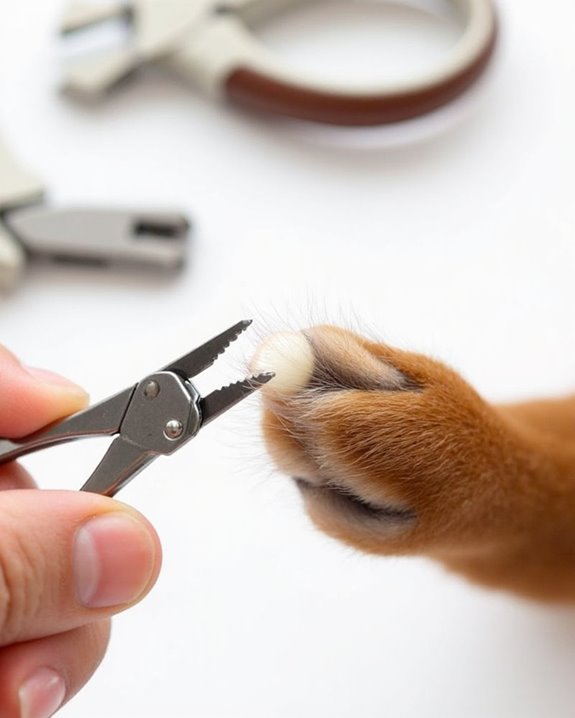
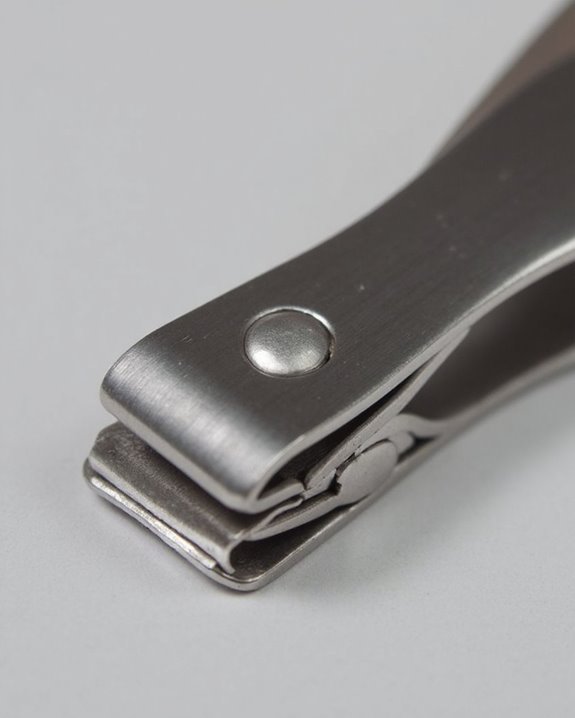
When should you reach for human clippers instead of specialized dog nail trimmers? I recommend human nail clippers only for very specific situations where they’re genuinely appropriate. They can work well for tiny puppies with delicate nails, particularly those under 10 pounds, but only if the clippers are sharp and in good condition. Dull human clippers risk crushing or splitting your pet’s nails, causing pain and potential injury.
As your puppy grows or if you have a medium to large breed dog, it’s vital to switch to proper dog nail trimmers, which are designed at the correct angle for canine nails. Human clippers simply can’t handle the thickness and curvature of adult dog nails effectively. While human clippers might suffice in emergencies, investing in dog-specific trimmers provides better control, reduces injury risk, and guarantees more comfortable grooming sessions for your pet.
Recommended Products
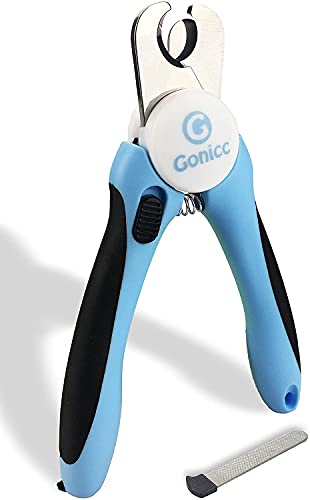
Vet & Groomer Recommended Professional Design: Preferred by veterinarians, trainers and groomers, these clippers deliver fast, safe and precise trimming for medium and large dogs, ideal for at-home daily grooming.

Precise Pet Nail Trimming: Candure dog nail clipper is designed to help trim pet claws with better control. Suitable for routine grooming at home, this pet nail cutter helps keep nails neat and comfortable for dogs, cats, and similar pets.

6 Adjustable Speeds: The Candure Dog Nail Grinder features 6 speed levels (7000-11000 RPM) for precise and safe nail trimming. Adjust the speed based on your pet’s nail hardness. Ideal for small, medium, and large dogs, cats, and other pets.
Preparing Your Dog for Nail Trimming
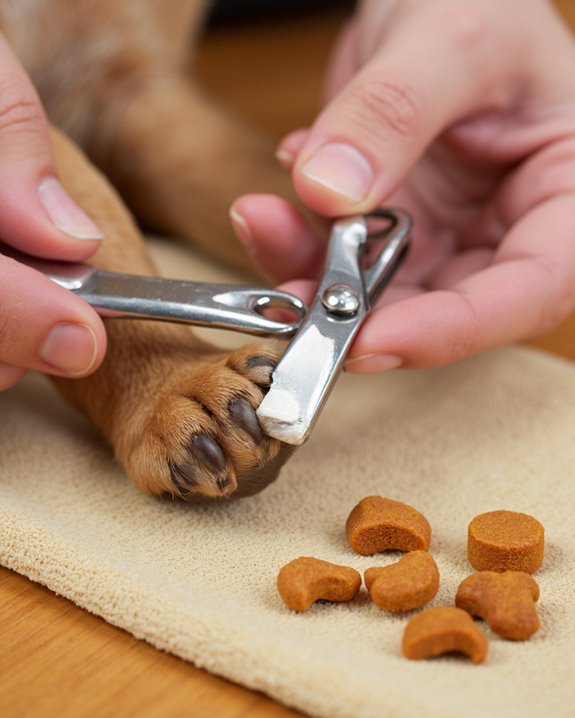
Successful nail trimming with human clippers depends largely on how well you’ve prepared your dog for the experience. I recommend gradually introducing the clippers by letting your dog sniff and inspect them, rewarding this curiosity with treats to build positive associations.
I’ve found that regularly handling your dog’s paws during daily interactions greatly reduces anxiety during trimming sessions. Start by gently massaging your dog’s paws for short periods, slowly increasing duration as their comfort grows. For puppies, incorporate paw handling into regular play sessions to establish early acceptance of having their paws touched.
When your dog allows paw manipulation without resistance, reward them immediately with treats or belly rubs. If they show signs of distress, stop immediately and try again later, maintaining a patient approach that prioritizes their comfort.
Recommended Products
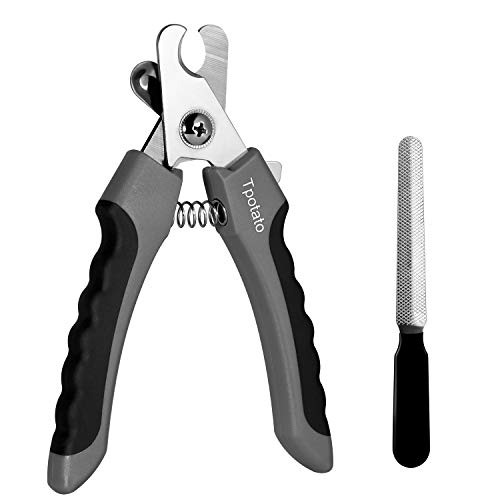
MEDICAL STAINLESS STEEL BLADES: Say goodbye to broken, delaminated and chipped nails! The Tpotato dog nail clippers are made of high quality medical stainless steel blades with a thickness of up to 3.5mm, making them easy to cut and clean to keep you and your pet at ease. The included nail file is the icing on the cake, throwing a perfect shine on nails.2024 authoritative survey shows that 95% of veterinary clinics highly recommend this burr-free trimmer.

Age Range Description: All Life Stages

Vet & Groomer Recommended Professional Design: Preferred by veterinarians, trainers and groomers, these clippers deliver fast, safe and precise trimming for medium and large dogs, ideal for at-home daily grooming.
Essential Supplies for a Safe Trimming Session
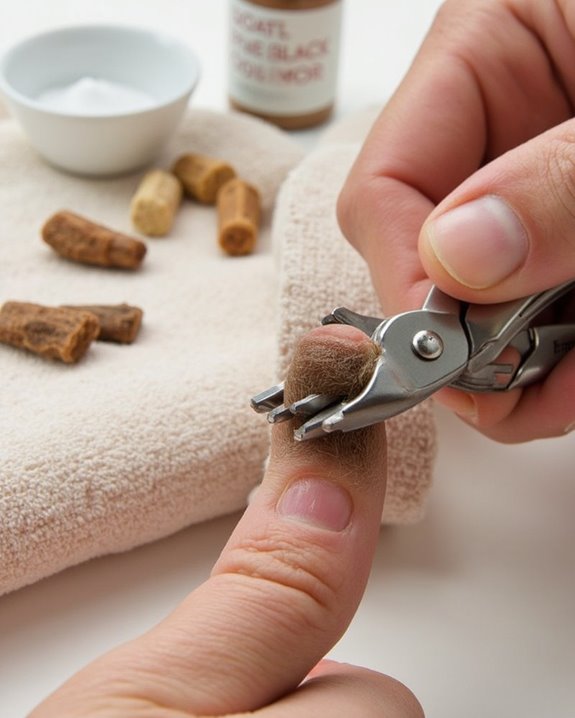
A properly equipped nail-trimming station serves as the foundation for safely using human clippers on your dog’s nails. I recommend sharp human nail clippers for tiny puppies, ensuring they’re clean and precise without crushing the delicate nails. Adequate lighting is essential—I always use a well-lit room or a lamp with at least 500 lumens to clearly identify the quick and prevent accidental cuts.
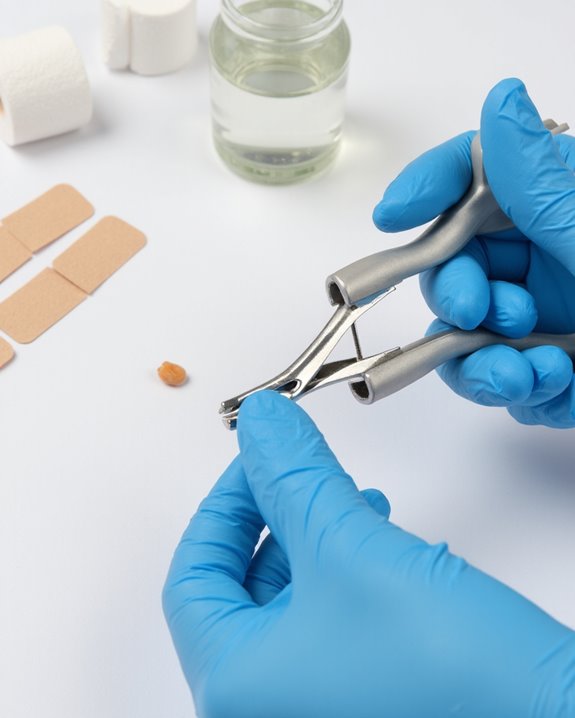
I’ve found having a partner to gently restrain your dog greatly improves safety and reduces risks during trimming. Keep high-value treats nearby, such as cheese pieces or commercial dog rewards, to positively reinforce cooperation. Finally, I always maintain styptic powder or cornstarch within arm’s reach to quickly address any bleeding if I accidentally cut the quick, with a first-aid kit nearby for immediate treatment.
Recommended Products

Includes one 0.5 oz tub of Miracle Care Kwik Stop Styptic Powder; the Original styptic powder with Benzocaine for Pain Relief

Fast Acting Blood Clotting – Quickly stops bleeding from minor cuts, scrapes, and nail trimming accidents in pets.

𝐖𝐡𝐢𝐬𝐩𝐞𝐫 𝐐𝐮𝐢𝐞𝐭 & 𝐒𝐭𝐫𝐞𝐬𝐬-𝐅𝐫𝐞𝐞 𝐆𝐫𝐨𝐨𝐦𝐢𝐧𝐠: Ultra-quiet and low-vibration design keeps sensitive dogs Cats calm. No more fear, shaking, or struggling during nail care
Step-by-Step Nail Clipping Technique
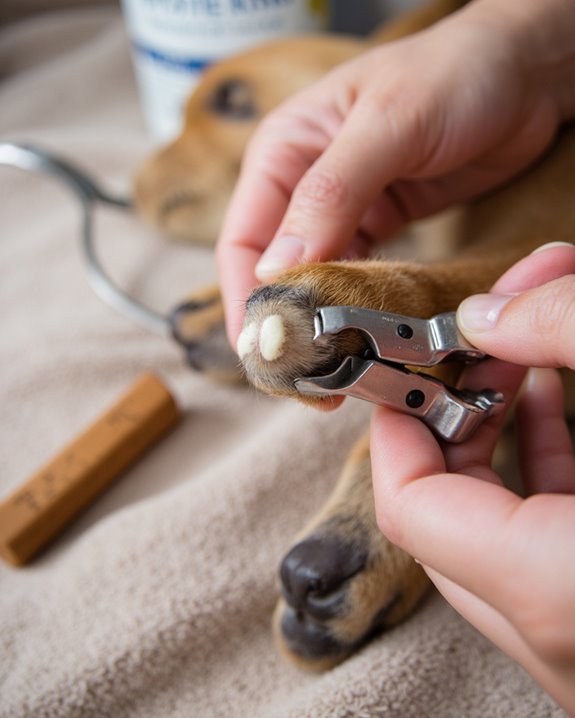
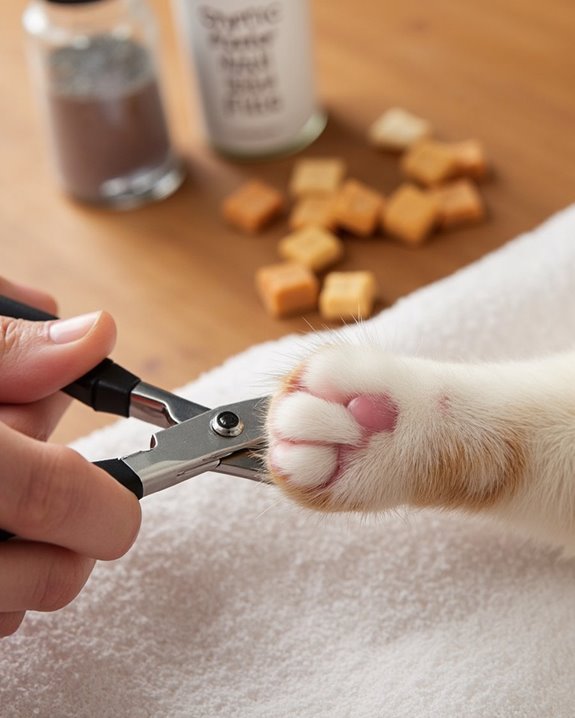
With all the right supplies gathered, I’ll now show you the precise method for cutting your dog’s nails with human clippers. First, gently restrain your dog in a calm environment, holding one paw firmly but comfortably. Position the clippers at a 45-degree angle to the nail, making sure you can clearly see the quick—that pink area you’ll want to avoid. When you clip your dog’s nails, make a single, swift cut just beyond the curved tip, removing only a small amount to prevent splitting. After each cut, check the nail’s appearance and have a cloth ready in case you accidentally nick the quick. Initially, limit sessions to just one or two nails, rewarding your pet with treats after each successful clip to build positive associations.
Recommended Products

Bright LED Light for Safer Trimming: Candure dog nail clippers with light uses a built-in LED to illuminate the quick, helping you trim more safely and avoid cutting too short. (Note: Visibility may be reduced on very dark nails)

LED light: Illuminates light-colored nail's quick or claws for easier and safer cutting experience! *Note that the LED light may not work well on dark nails.

✅【PERFECT DESIGN】OneCut Dog Nails Clippers and Pet Trimmers is Professionally Designed For Claw Cut. It's a powerful and easy to use for Pets Manicure and Pedicure. It can be used at home and Pet Lounges. Claw Cutters for Dogs comes with a Protective Guard to Protect your Pets from "Over-Cutting" and Safety Lock for easy storage
Avoiding the Quick: Tips for Dark Nails
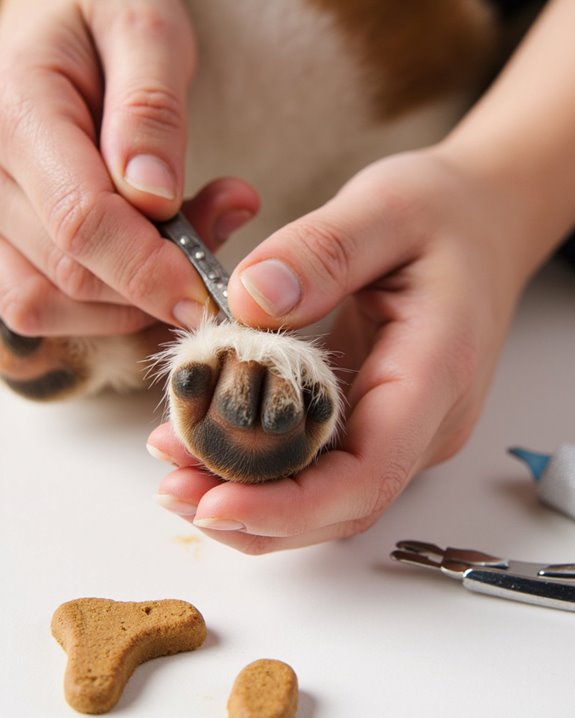
Handling the challenge of dark nails presents one of the trickiest aspects of nail maintenance for many dog owners, since you can’t easily see the quick through the opaque nail structure. I recommend trimming your dog’s nails safely by focusing only on the hook-like tip with human nail clippers, making small, incremental cuts to avoid hitting sensitive areas. Position yourself in well-lit conditions, which allows better visualization of the nail structure even when dark. Hold the clippers at a 45-degree angle, and cut just before where you estimate the quick begins based on careful examination. I always stop immediately if I feel resistance or notice a color change in the nail, as this indicates proximity to the quick. This careful approach encourages natural recession of the quick over time.
What to Do If Accidental Bleeding Occurs
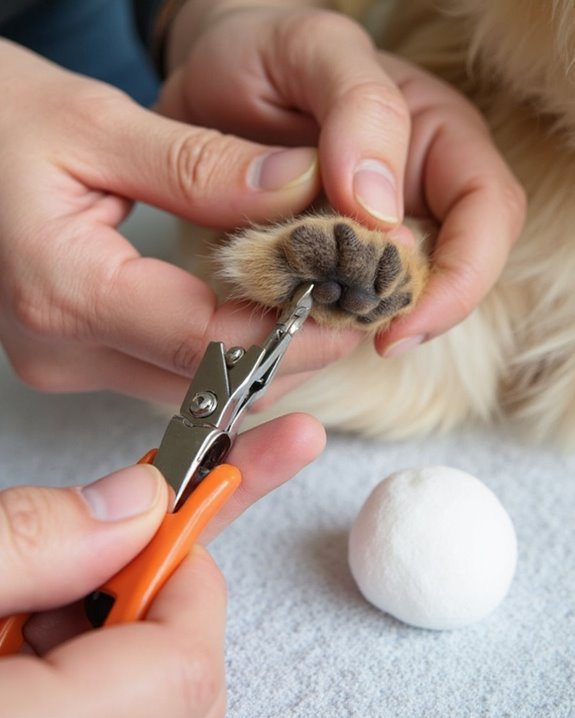
Despite our best efforts and careful technique, accidents do happen when trimming your dog’s nails with human clippers. If you accidentally cut into the quick, where sensitive blood vessels reside, don’t panic—act quickly instead.
First, apply firm pressure using a clean kitchen towel to stop the initial bleeding. Next, apply a styptic pencil, cornstarch, or even bar soap to the nail tip to promote clotting and seal the wound. Keep your dog calm throughout this process, as movement can worsen bleeding.
If bleeding persists beyond a few minutes despite these interventions, call your veterinarian immediately, as this could indicate a more serious issue. Once bleeding stops, gently clean the area and reward your dog with treats, which helps maintain a positive association with nail trimming despite the mishap.
Building Positive Associations With Nail Care
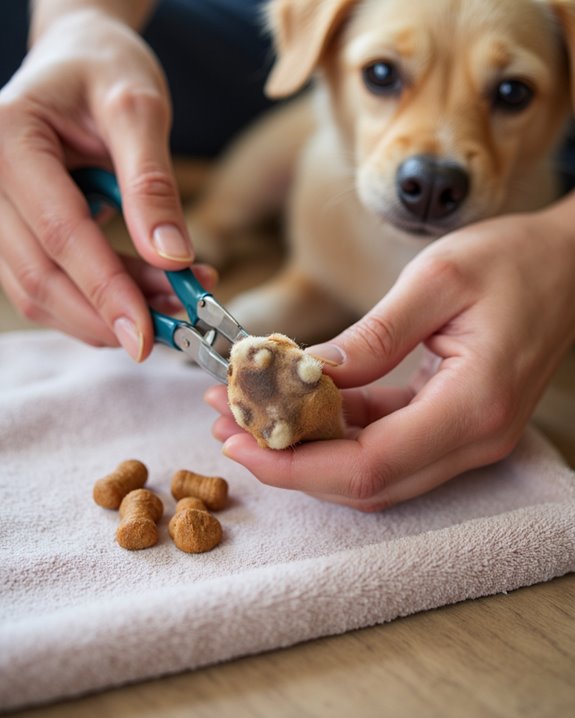
Transforming nail trimming from a dreaded chore into a positive experience starts with intentional association building. I recommend daily paw-handling sessions where you gently massage your dog’s feet, immediately following with treats and verbal praise to create positive connections. This consistent practice helps your dog feel comfortable during future nail care.
Introduce the clippers gradually by allowing your dog to inspect them while rewarding calm behavior with treats. During these familiarization sessions, briefly touch the clippers to your dog’s nails without cutting, then reward with belly rubs or praise for tolerance. After each successful interaction, conclude with play or favorite treats to reinforce that nail care predicts enjoyable outcomes. This systematic approach builds cooperation through reward-based techniques rather than forcing compliance, establishing lasting positive associations with the entire nail care process.
Alternative Methods for Reluctant Dogs
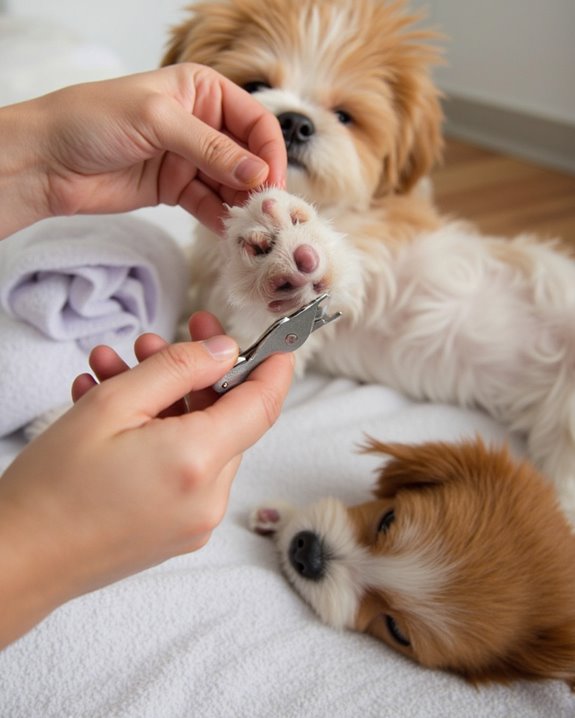
Some dogs simply won’t accept traditional nail trimming methods, even after positive association building, and that’s perfectly okay. For these nervous pups, I recommend a Dremel-type nail grinder as an excellent alternative, allowing you to remove small amounts gradually while building confidence. Another option is using a nail file for gentle, silent maintenance between trimmings, which many anxious dogs tolerate better than clippers. Using the appropriate nail file grit can help ensure a comfortable experience for your dog. If your dog remains too fearful, consider professional grooming services—over 300,000 pet owners have found success with this approach. Alternatively, incorporate daily walks of a mile or more on concrete or asphalt, which naturally wear down nails through friction. When trying any new method, always pair it with treats and belly rubs every few days, taking minimal amounts off each time to build trust and comfort.
Recommended Products
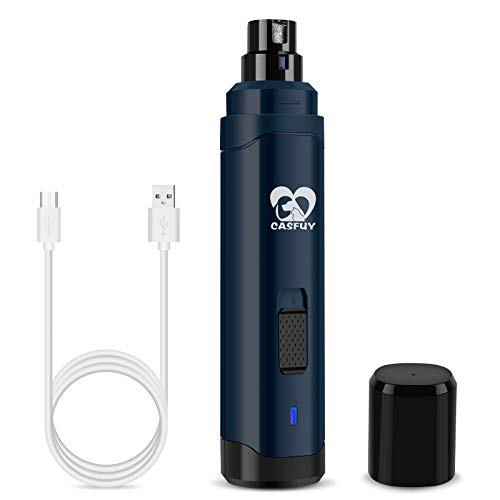
【Powerful 2-Speed Grinding up to 8000 RPM】Adjustable low and high speeds with a 7000–8000 RPM motor deliver precised, strong grinding. Start gentle for puppies or delicate nails, then switch to high speed for thicker nails. This Casfuy dog nail grinder is powerful enough to grind every nail efficiently.
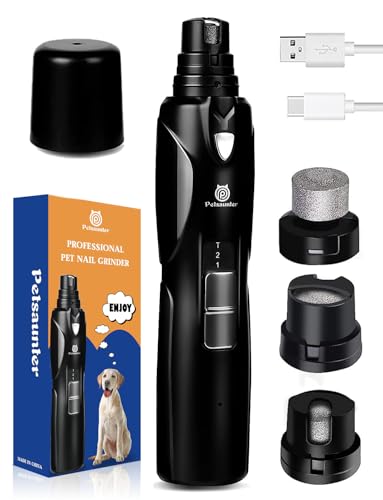
【Safe, Effective & Precise Trimming】: This dog nail grinder is friendly to beginners to deliver the safest, most comfortable pet claw grinding anywhere. It has 3 switches and led light. It is concise, effective and smart. Led light allows you to check the blood vessel clearly to avoid over-grinding.Note: Before purchasing, please read the product detail page carefully to ensure that you are not looking at the wrong.

𝐖𝐡𝐢𝐬𝐩𝐞𝐫-𝐐𝐮𝐢𝐞𝐭, 𝐔𝐥𝐭𝐫𝐚-𝐋𝐨𝐰 𝐕𝐢𝐛𝐫𝐚𝐭𝐢𝐨𝐧, 𝐒𝐭𝐫𝐞𝐬𝐬-𝐅𝐫𝐞𝐞 & 𝐏𝐚𝐢𝐧-𝐅𝐫𝐞𝐞 𝐆𝐫𝐨𝐨𝐦𝐢𝐧𝐠: No loud buzzing or harsh vibrations to startle sensitive dogs. Enjoy calm, gentle paw care with zero struggle or anxiety.
Frequently Asked Questions
Can I Trim My Dog’s Nails With Human Nail Clippers?
I’d say you can use human nail clippers for small dogs temporarily if they’re sharp, but I’d recommend dog-specific clippers for safety concerns. Human clippers may split nails or cause injury if not used carefully.
What Can I Use if I Don’t Have Dog Nail Clippers?
Imagine me, armed with emery boards battling tiny daggers! I’d recommend sharp human nail clippers as a temporary fix for small pups. Nail files work too, especially for smoothing rough edges after trimming. Don’t use scissors!
What Is the Trick to Cutting a Dog’s Nails?
I’ve found handling my dog’s paws regularly during playtime reduces anxiety tremendously. I always reward with treats, clip just the tip to avoid the quick, and cut frequently in small amounts for better results.
How to Tell Where the Quick Is on a Dog?
For quick identification, I look for the pinkish area inside light-colored nails. With dark nails, I only trim the curved tip and stop if I see a darker center. Bright light helps me spot it.